Automated Veterinary Medicine Packaging Line with Foam Box & Carton Integration
Process Flow
Applications
Veterinary Products
Liquid veterinary medicine bottles
Plastic veterinary vaccine bottles
Powder veterinary medicine containers
Temperature-sensitive animal health products
Packaging Formats
Bottles inside protective foam boxes
Foam boxes packed in outer corrugated cartons
Palletized secondary packaging bundles
Bottle Type
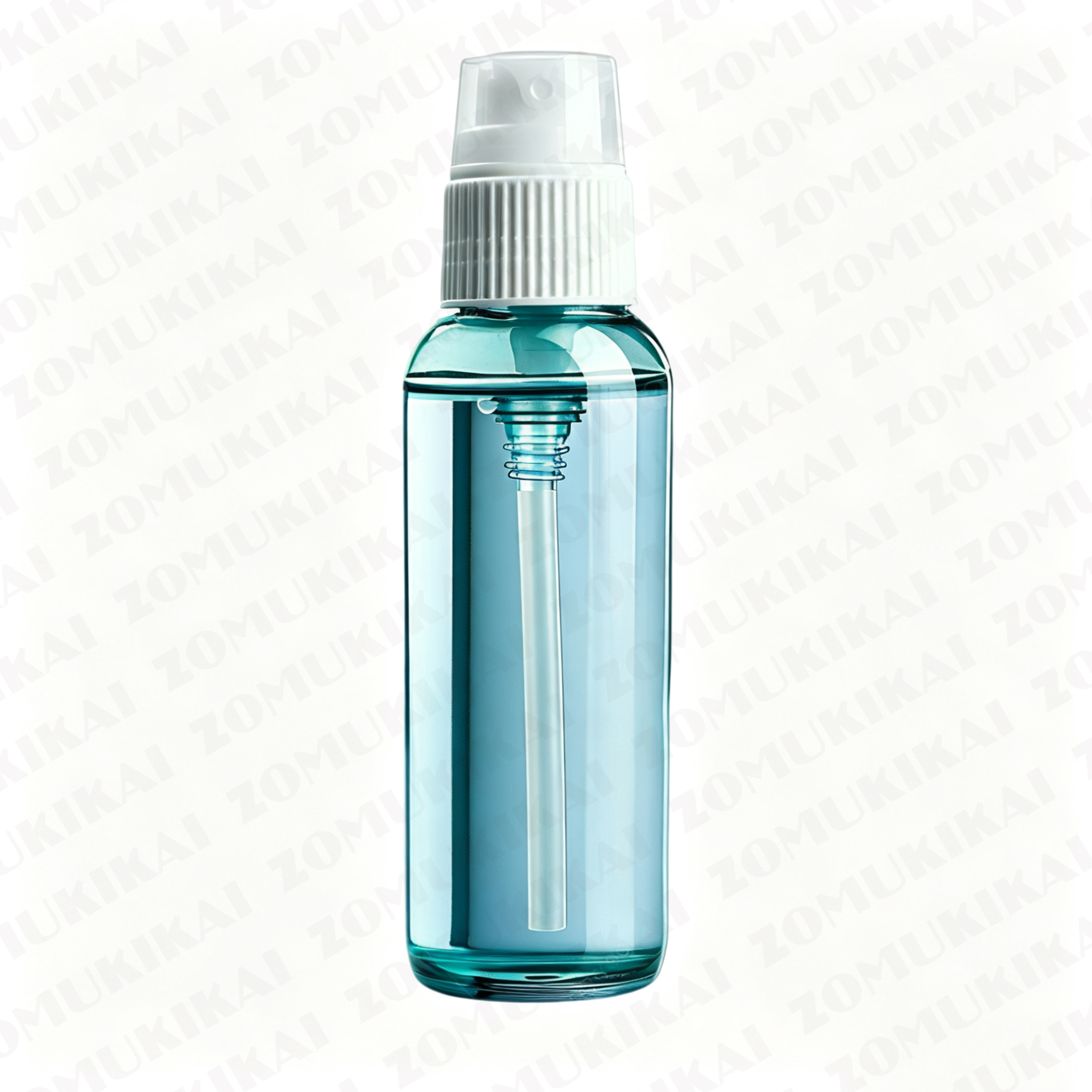
Aerosol Bottle
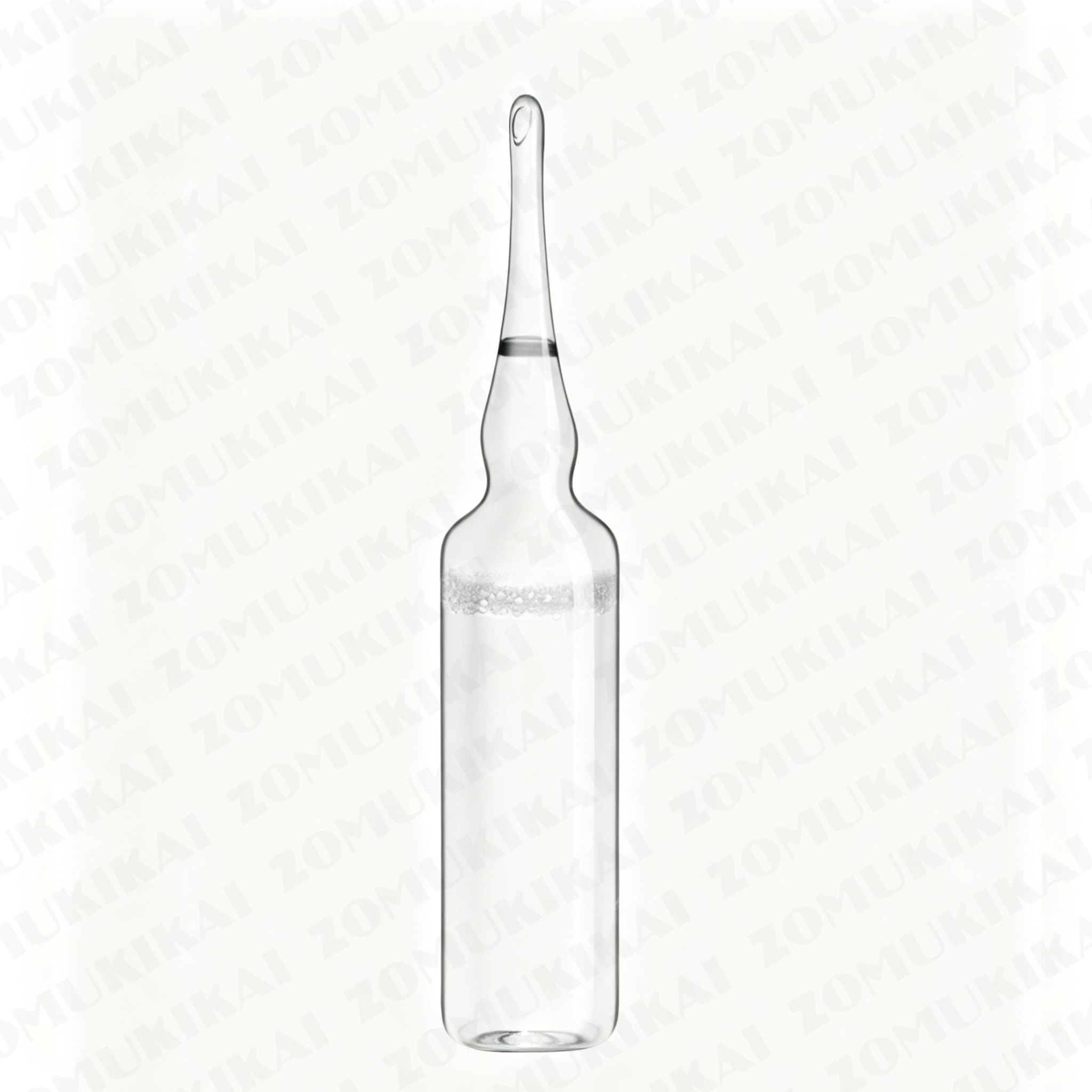
Ampoule Bottle
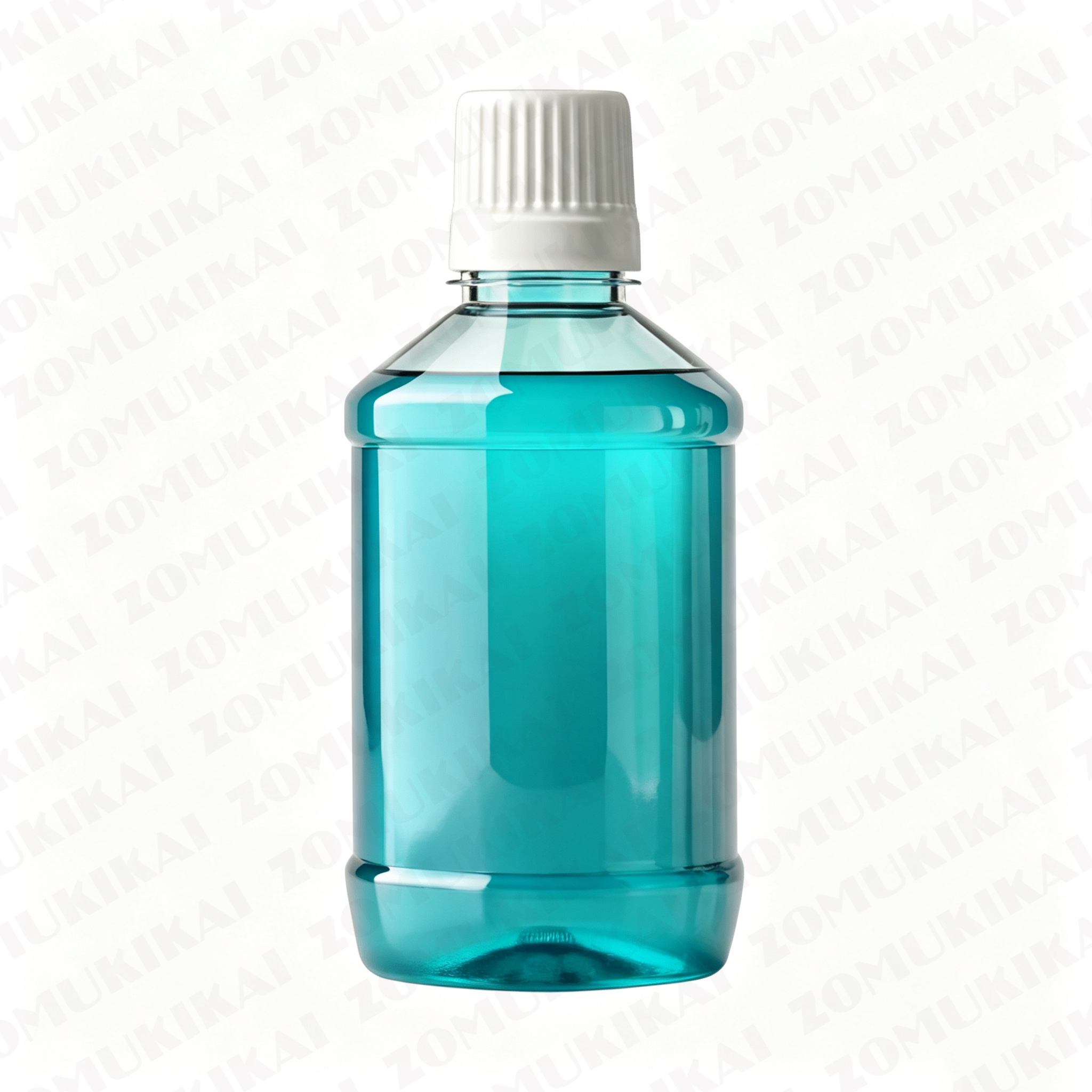
Syrup Bottle
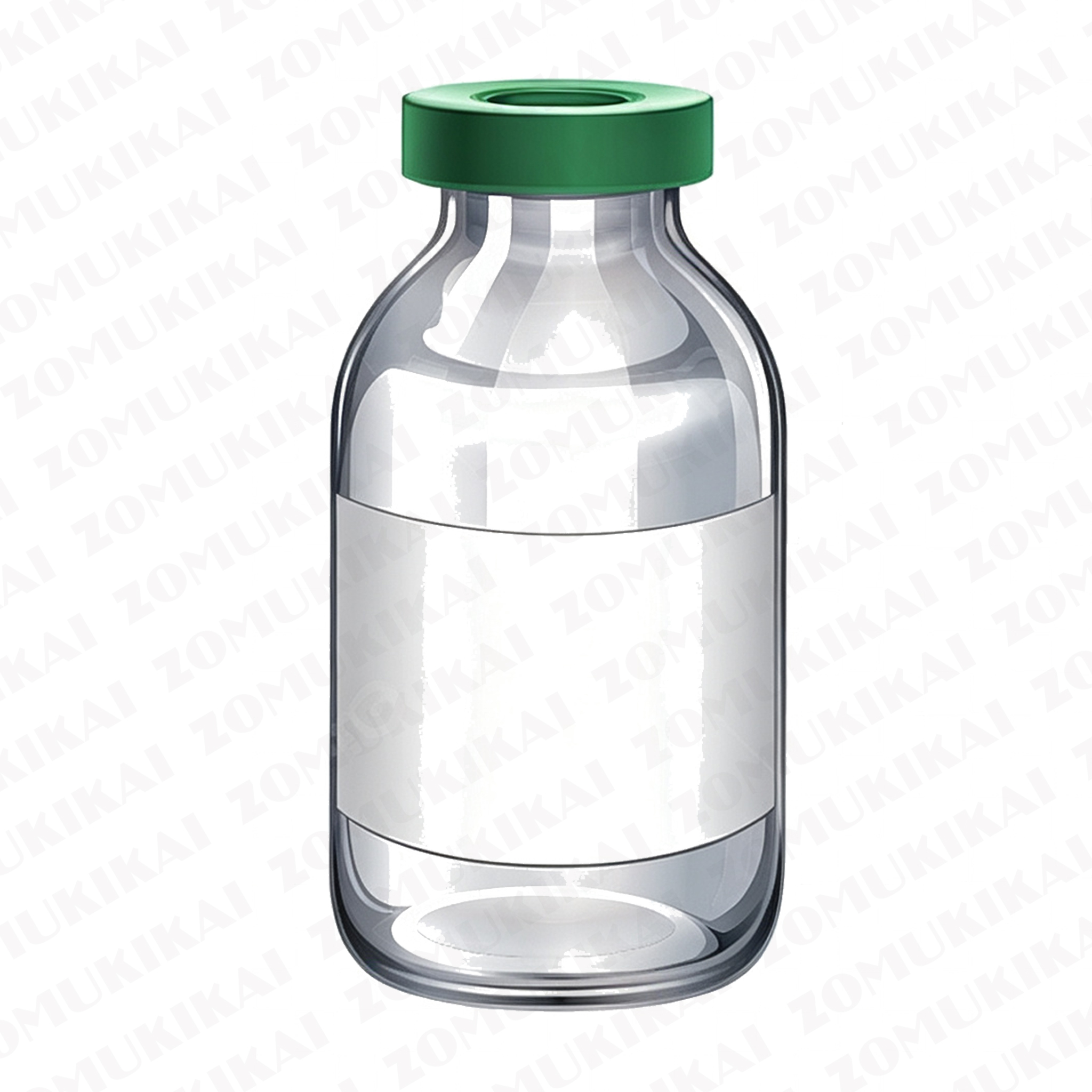
Vial Bottle
Where this line sits in the plant
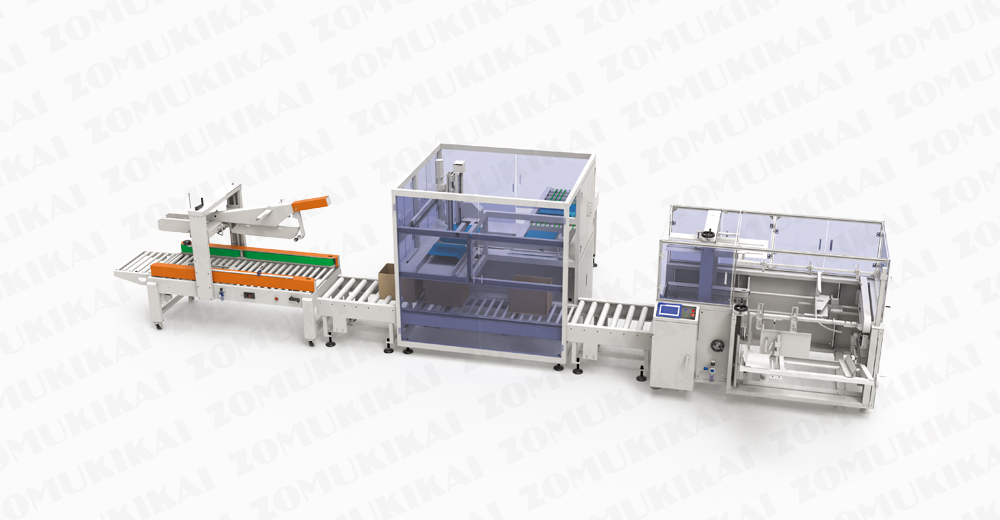
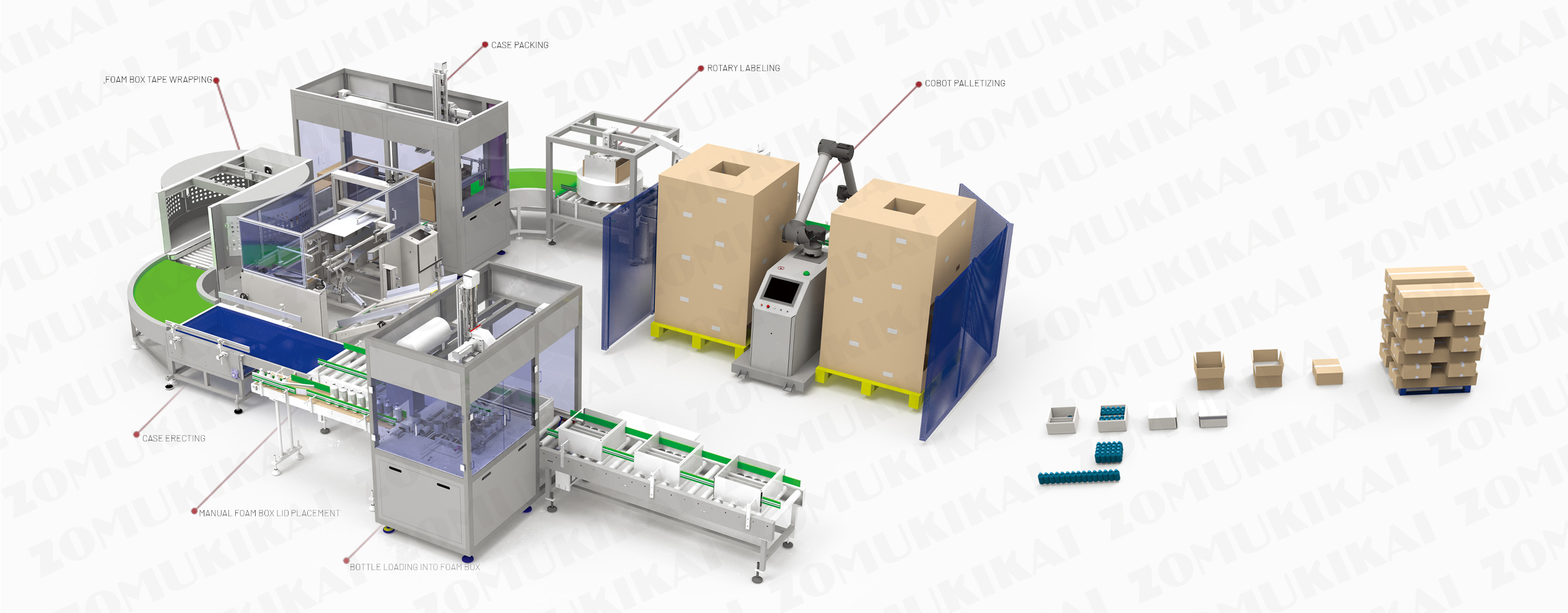
The line is a secondary packaging line for veterinary drugs: it starts after the bottles are filled and closed and ends with palletized cartons ready for storage and dispatch. The case packing step is carried out by an automatic bottle case packing machine; the foam handling, wrapping and palletizing stations are configured around it for this product family.
Station 1 — Bottle tilting and conveying
Filled plastic veterinary medicine bottles arrive upright and are laid flat onto the conveyor by a bottle-tilting device, so the picking mechanism can grip the bottle body rather than the cap or neck. Laying the bottles down also keeps liquid products from surging against the closure during transfer.
Station 2 — Foam box insertion
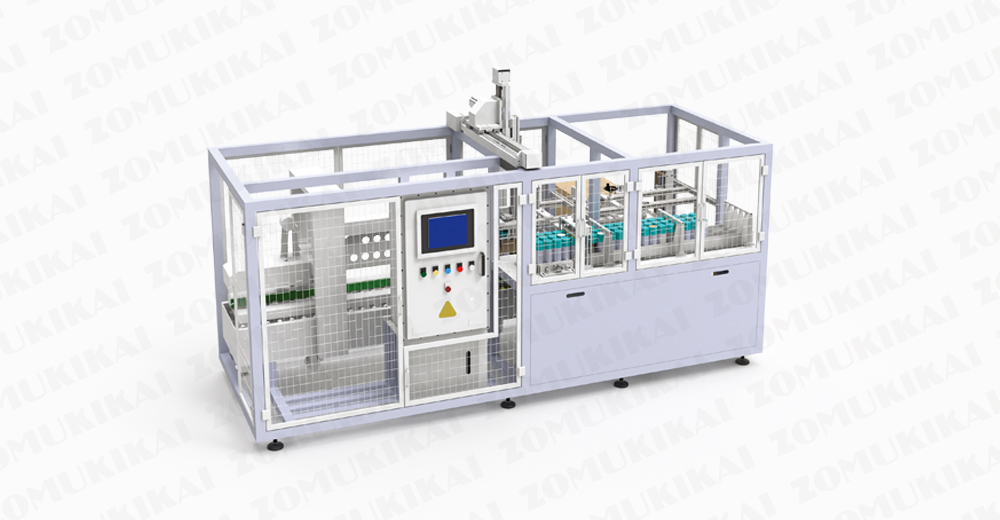
A picking mechanism grips each bottle body and inserts it into a custom foam box. The foam box is the thermal insulation and shock-absorption layer for the bottle; the number of bottles per box and the cavity layout are defined per project with our engineers from the bottle dimensions and the required protection.
Station 3 — Manual foam lid placement
In this layout the foam lid is placed by an operator, a space-saving choice where the available floor area is tight. A fully automated lid-placing module can be integrated when the facility layout allows it; the decision is made during layout engineering.
Station 4 — Horizontal stretch wrapping
The closed foam box passes through a horizontal stretch wrapper, which wraps the box to hold the lid and body together and to protect the foam surface before cartoning.
Station 5 — Case erecting
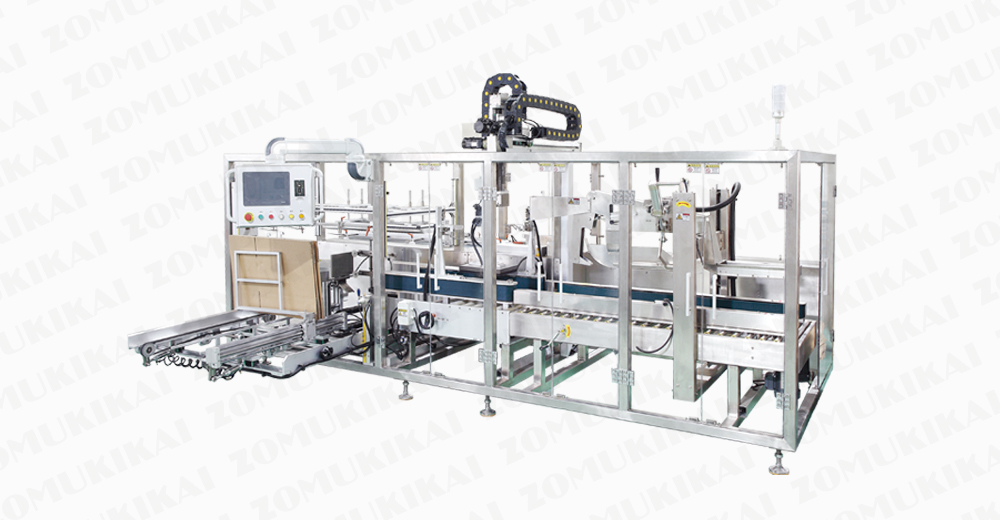
In parallel with the foam box path, an automatic case erector forms corrugated shipping cartons and seals the bottom flaps. Carton size for the case packing step follows the machine range of (350–600) × (200–400) × (200–400) mm, so the foam box format is engineered to fit a carton inside that window.
Station 6 — Foam-to-carton case packing
A sponge-cup vacuum gripping case packer lifts each wrapped foam box and loads it into the erected carton according to the preset packing pattern. The sponge cups spread the gripping force over the foam surface instead of concentrating it on the box edges.
Station 7 — Outer case sealing
The filled carton is top-sealed, closing the outer corrugated case before it leaves the packing section.
Station 8 — Collaborative robot palletizing
A collaborative robot stacks the sealed cartons onto pallets. Cobot palletizing suits this line because it works alongside operators without a full safety fence and takes a compact footprint; the pallet pattern and stack height are defined per project with our engineers.
Products and packaging formats
- Liquid veterinary medicine bottles
- Plastic veterinary vaccine bottles
- Powder veterinary medicine containers
- Temperature-sensitive animal health products
Bottle formats named for this line are aerosol bottles, ampoule bottles, syrup bottles and vial bottles. The packaging sequence is bottles inside protective foam boxes, foam boxes packed in outer corrugated cartons, and palletized secondary packaging bundles.
How the stations are configured for veterinary products
Veterinary pharmaceuticals are exposed to stacking pressure, impact and temperature fluctuation between the filling line and the point of use. The configuration answers this with three layers: the foam box around the bottle, the stretch wrap around the foam box, and the corrugated carton around the wrapped box. Because the bottle is tilted flat before picking, the handling is gentle on the bottle body, and because the foam lid is closed before wrapping, the wrap also acts as a lid retainer.
For background on how these packaging requirements are handled across product types, see the related pages on bottle case packing.
Packing Line Configuration
Complete equipment configuration of the automated veterinary medicine packaging line:
| Section | Equipment | Main Function |
|---|---|---|
| Bottle Preparation | Bottle Tilting Device & Conveyor | Positions filled plastic bottles horizontally for safe handling |
| Inner Packaging | Foam Box Insertion Machine | Automatically grips and loads bottles into protective foam boxes |
| Inner Sealing | Horizontal Stretch Wrapping Machine | Wraps and securely seals the foam boxes horizontally |
| Case Preparation | Automatic Case Erector | Forms corrugated shipping cartons and seals bottom flaps |
| Secondary Packing | Sponge-Cup Vacuum Gripping Case Packer | Transfers sealed foam boxes safely into outer shipping cartons |
| Case Sealing | Automatic Case Sealer | Seals outer cartons securely for transport |
| Palletizing | Collaborative Robot Palletizing System | Stacks finished outer cartons neatly onto pallets |
Key Features and Protection Standards
Veterinary pharmaceuticals demand rigorous protection against impact, stacking pressure, and temperature fluctuations during transit. This integrated packaging line provides a robust, multi-layer containment strategy.
Key system highlights include:
- Specialized bottle orientation and gentle handling to prevent spills and deformation
- Foam box integration for thermal insulation and shock absorption
- Horizontal stretch wrapping for secure, tamper-evident foam box sealing
- Sponge-cup vacuum gripping system for damage-free secondary insertion into outer cartons
- Collaborative robot (cobot) palletizing ensuring safe, flexible, and efficient end-of-line stacking
- Customizable footprint and modular design to accommodate various factory space constraints
The system helps veterinary pharmaceutical manufacturers achieve seamless automation, boosting throughput while safeguarding sensitive medicine products throughout harsh logistics environments.
Get a Quote for Your Veterinary Medicine Packaging Line
To help us engineer the ideal automated packaging solution for your veterinary products, please provide the following details:
- Bottle dimensions and weight
- Foam box dimensions and thickness
- Outer carton dimensions
- Required production capacity (bottles or boxes per minute)
- Temperature control or cold-chain constraints
- Factory layout restrictions or available space limitations
- Pallet size and stacking height requirements