Side Load Case Packing Machine
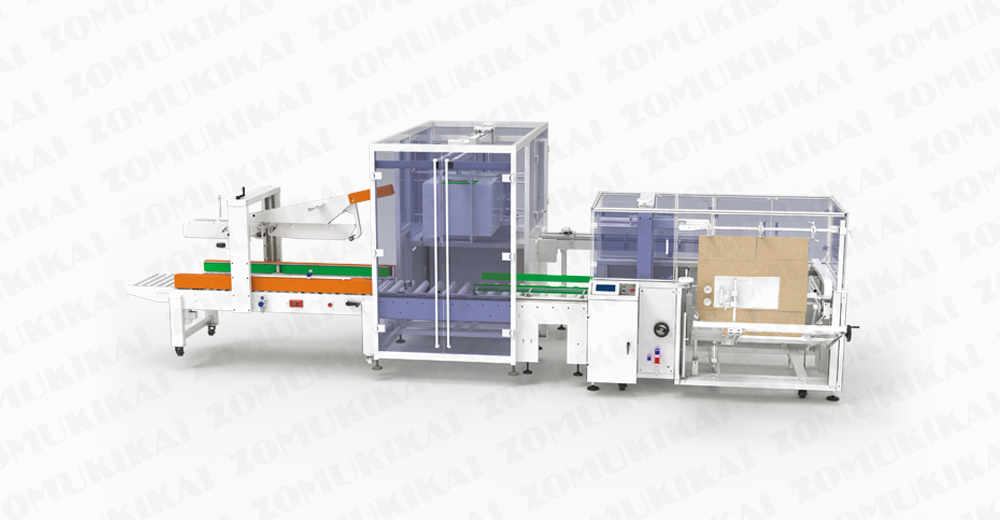
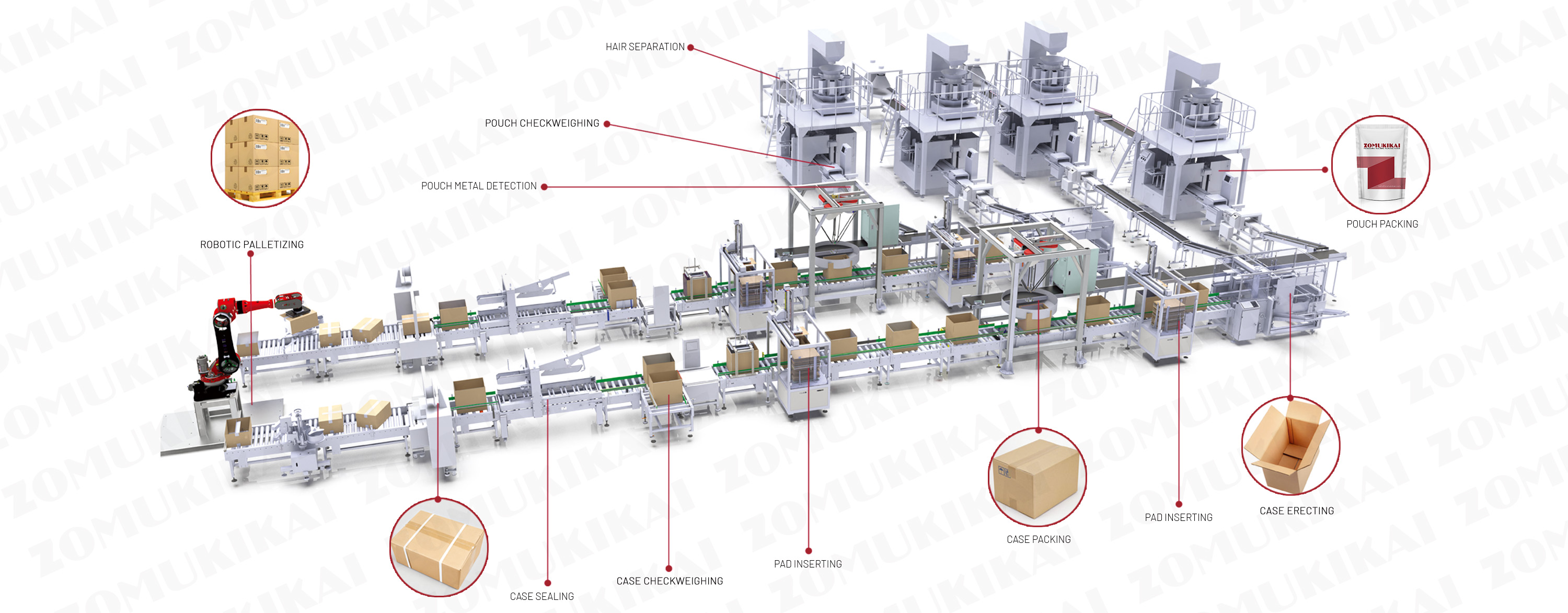
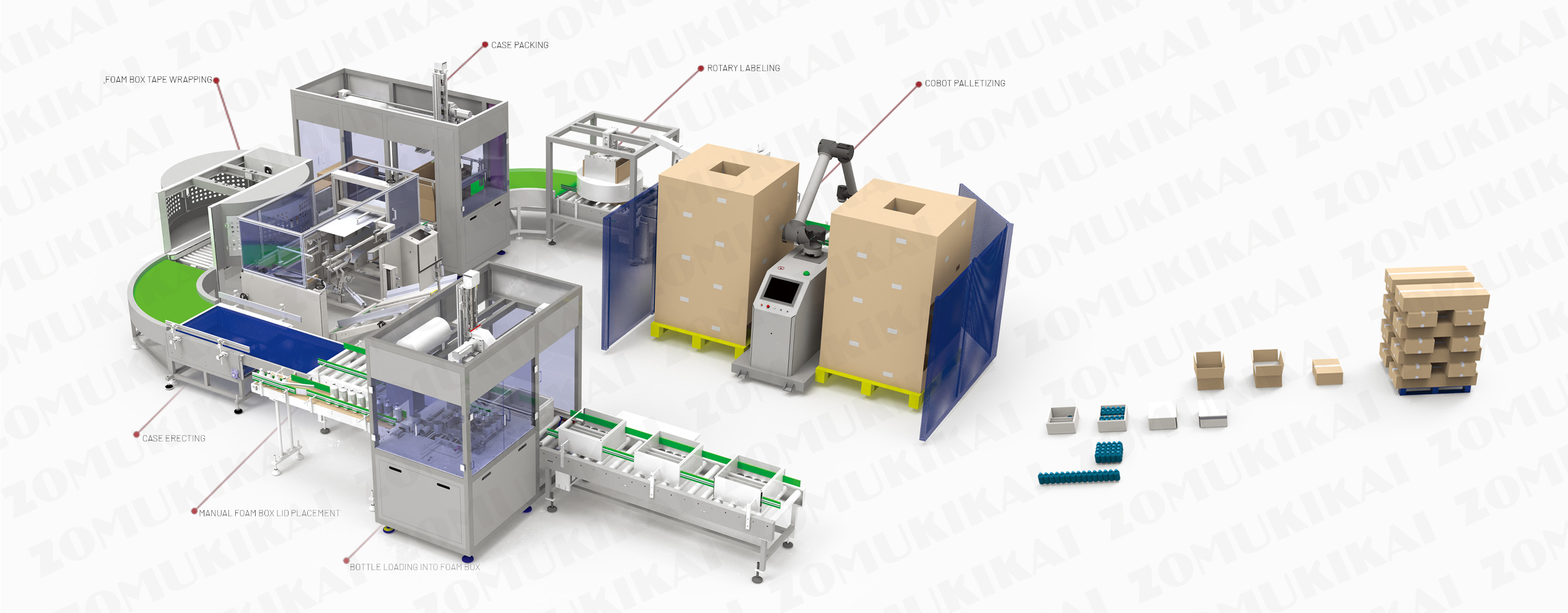
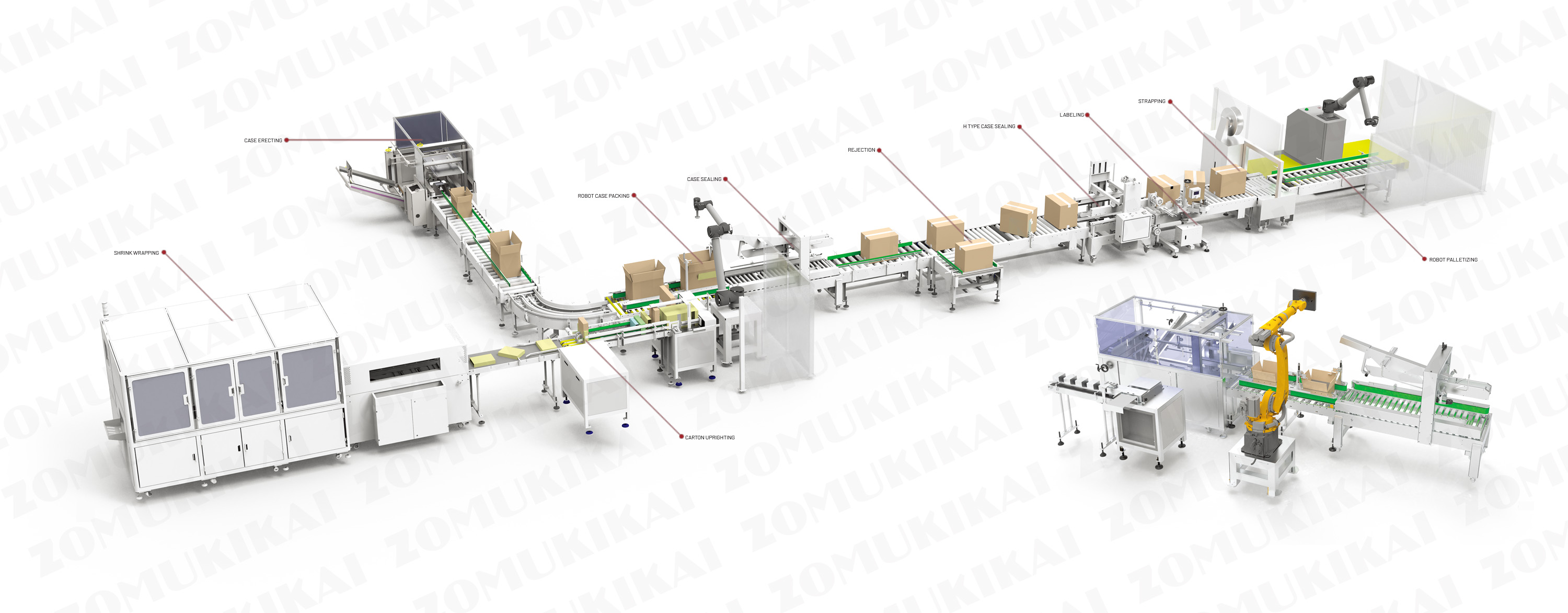
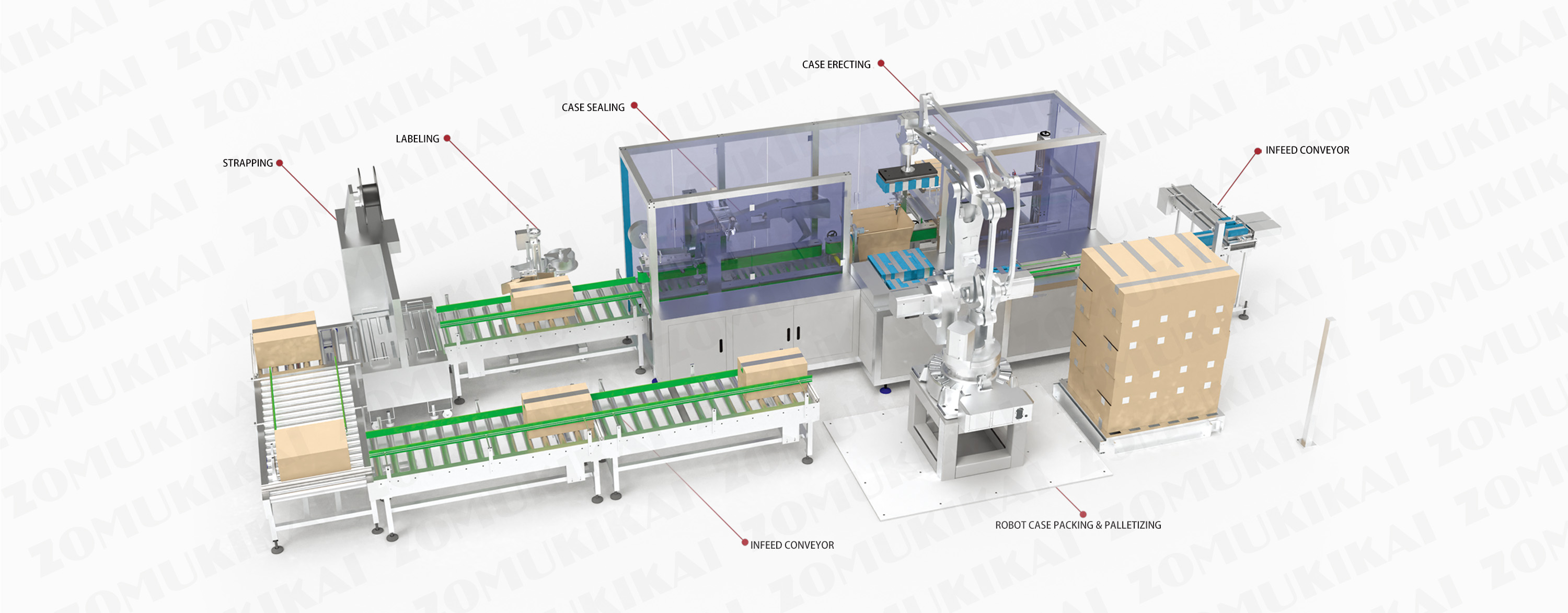
How Does an Automatic Side Load Case Packer Work?
Applications
Cartons / Boxes
food cartons
pharmaceutical cartons
cosmetic boxes
toothpaste boxes
Canned Products
canned food
beverage cans
metal tins
Tissue & Paper Products
facial tissue packs
napkin packs
kitchen towels
Household Products
cling film boxes
aluminum foil boxes
plastic wrap
Specifications
| ZC Model | ZC-SL450 |
|---|---|
| Machine Type | Automatic Side Load Case Packer |
| Capacity | 8 cases/min (depends on packing configuration) |
| Applicable Corrugated Carton Size | (300–600) × (200–450) × (200–300) mm |
| Power | 2.5 kW |
| Air Consumption | 6 m³/hour |
| Main Materials | Carbon Steel + SUS304 Stainless Steel |
Sample Testing Service
Test your Side Load Case Packing Machine and cartons to find the best packing method and avoid errors.
We can also source suitable cartons locally in China to save shipping cost.
Customer Service
We provide attentive, customized solutions at every stage: pre-sales, in-sales, and after-sales.
24/7 online support and training are available in over 30 countries to keep your production efficient.
Overview
When the ZC-SL450 fits your line
The ZC-SL450 is the side load model in the ZC case packer range. Products are grouped on the infeed, the erected case is rotated 90°, and the group is pushed sideways into the case before the case is returned upright and sealed. Choose this model when your products are regular in shape and can be stacked into a block that slides into the case without tipping — folding cartons, cans, tissue packs and boxed household items are typical. If products must be lowered from above, a top load case packer is the better match; the side-load case packing machine guide explains the difference in more detail.
Carton range and what it means for format changes
The ZC-SL450 accepts corrugated cartons from 300 to 600 mm in length, 200 to 450 mm in width and 200 to 300 mm in height. That range covers the common shipping case sizes used for consumer goods, but a case outside it needs a different model or a project-specific review. When you run more than one case format on the same line, changeover between formats may require adjustment or change parts; the exact procedure is defined per project with our engineers based on the formats you list.
Capacity and what sets the real output
The machine is rated at 8 cases per minute, and that figure depends on the packing configuration. Actual capacity is governed by product size, the packing pattern, the number of products per case and the infeed speed of the upstream equipment. A line that groups products slowly will not reach the machine's rated rate, so the infeed and the grouping section are planned together with the case packer.
Products and case loading
The side load principle works with products that hold their shape when pushed as a group:
- Folding cartons and boxed products
- Canned products
- Tissue packs
- Boxed household items
Products that deform, roll or need individual placement are better handled by a top load or pick-and-place case packer. For the wider range of automatic case packing machine types, see the platform overview.
Line integration
The ZC-SL450 is built as an end-of-line unit. It can be connected with cartoning machines, shrink wrapping machines, and conveying and grouping systems, so the case packer receives a formed group rather than loose products. Upstream equipment determines the infeed pattern; downstream, the sealed case leaves the machine for palletising or dispatch. The layout drawing is prepared from your product, case and plant-space information.
Utilities and construction
The machine runs on 2.5 kW of power and consumes 6 m³ of air per hour. Main materials are carbon steel with SUS304 stainless steel, which keeps the structure rigid while giving the product-contact and visible surfaces a stainless finish. These values are fixed for the model; options and interface details are agreed per project.
Choosing within the ZC range
The ZC-SL450 sits alongside top load, drop pack, pick-and-place and integrated case packers in the same programme. The shared platform, standard configuration and after-sales terms are described in the premade pouch machine selection guide, which also covers how models are compared before a configuration is fixed.
Why Choose Us
Manual
- Output depends on operator speed, unstable and inconsistent
- Requires multiple operators for feeding, loading, and sealing
- Prone to misalignment, uneven stacking, and product damage
- Difficult to synchronize with upstream packaging machines
- Requires more floor space and supervision
Automatic Case Packing
- Stable output up to 8 cases/min with continuous operation
- Minimizes labor requirement and reduces long-term labor costs
- Ensures precise product collation and uniform loading into each corrugated carton
- Easily integrates with cartoning machines, wrapping systems, and conveyors for a fully automated line
- Compact layout with centralized control and easier management